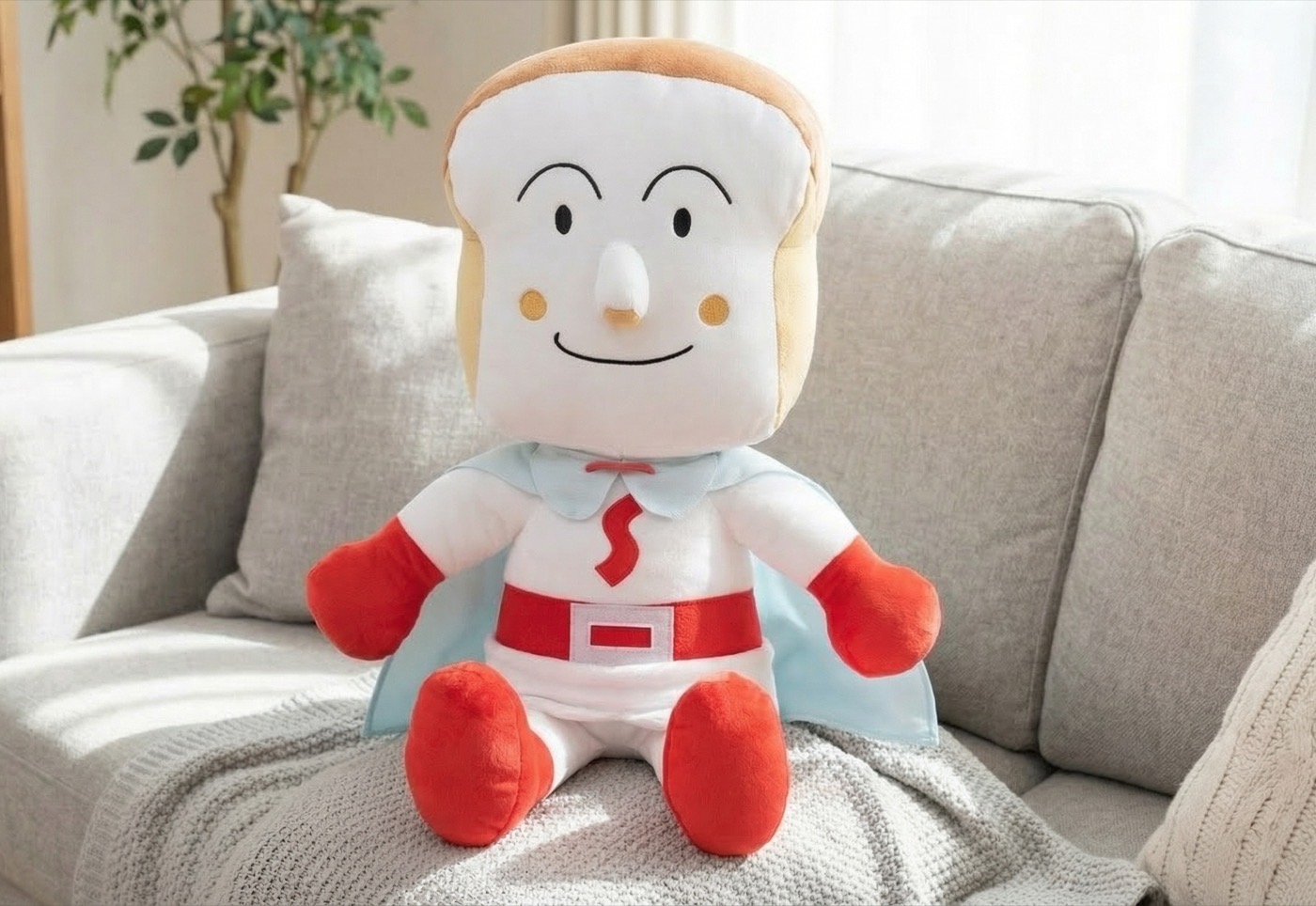
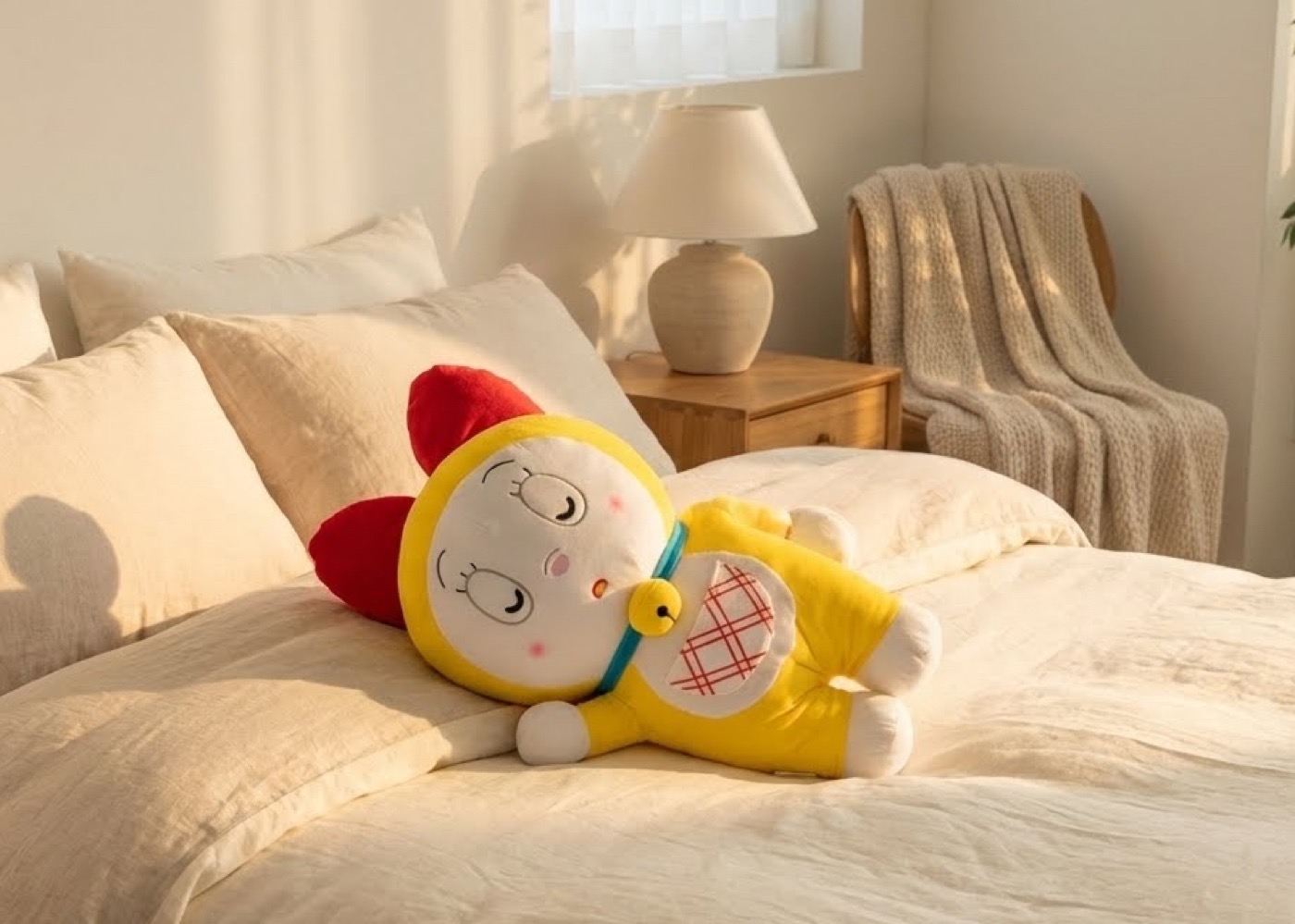
The ask
Every product in the collection was sold as an individual SKU with its own marketplace listing: its own photos, its own bullet-point specs, nothing more. There was no lifestyle photography, no video, no campaign shoot behind any of them. The brief was to give each toy its own advertisement: a short video with a setting, a story beat, and a reason to stop scrolling, built around a character whose appeal depends on personality, not just product shots.
The approach
We treated the product's own listing as the entire brief, and started every single video from a link, not a shoot. From each PDP we pulled product images and the USPs already written into the listing copy. The script for each 30–40 second ad was built directly from those on-page USPs. Because a single flat listing photo isn't enough to render a character toy accurately, we cross-referenced additional images from the brand's website, marketing emails, and other marketplaces before generation. From the script and verified reference set, we generated stills first, then video, then ran a manual edit pass for pacing and transitions, plus a separate AI-generated lifestyle image for each product.
Why it matters
This is a different capability than a green-screen composite. It's a full ad built with zero production days, starting from a link a client could send in one line of an email. For a catalogue business selling dozens or hundreds of individual character SKUs, that's the difference between "we can afford video for our hero products" and "every SKU gets its own ad." The accuracy research step matters just as much as the generation itself. It's what keeps a scaled pipeline like this from producing toys that don't quite look like the real thing.
The path to launch
- 01 PDP link
- 02 Source images + on-page USPs
- 03 Reference research across brand & marketplaces
- 04 Script (30–40″)
- 05 AI image generation
- 06 AI video generation
- 07 Manual edit
- 08 Final ad + AI lifestyle image
Outcome
- Zero Shoot days required
- One PDP link Input needed to start